
Exploring gambling traditions across diverse cultures
Introduction to Global Gambling Practices
Gambling has woven itself into the cultural fabric of societies around the world, reflecting local customs, beliefs, and entertainment preferences. From the high-stakes casinos of Las Vegas to the communal games played in villages, each culture has developed unique traditions surrounding gambling. These practices not only provide entertainment but also serve as a means of social interaction, often accompanied by rituals and community involvement. For those interested, it’s worth exploring betting sites that accept paypal as a part of this colorful spectrum of gambling options.
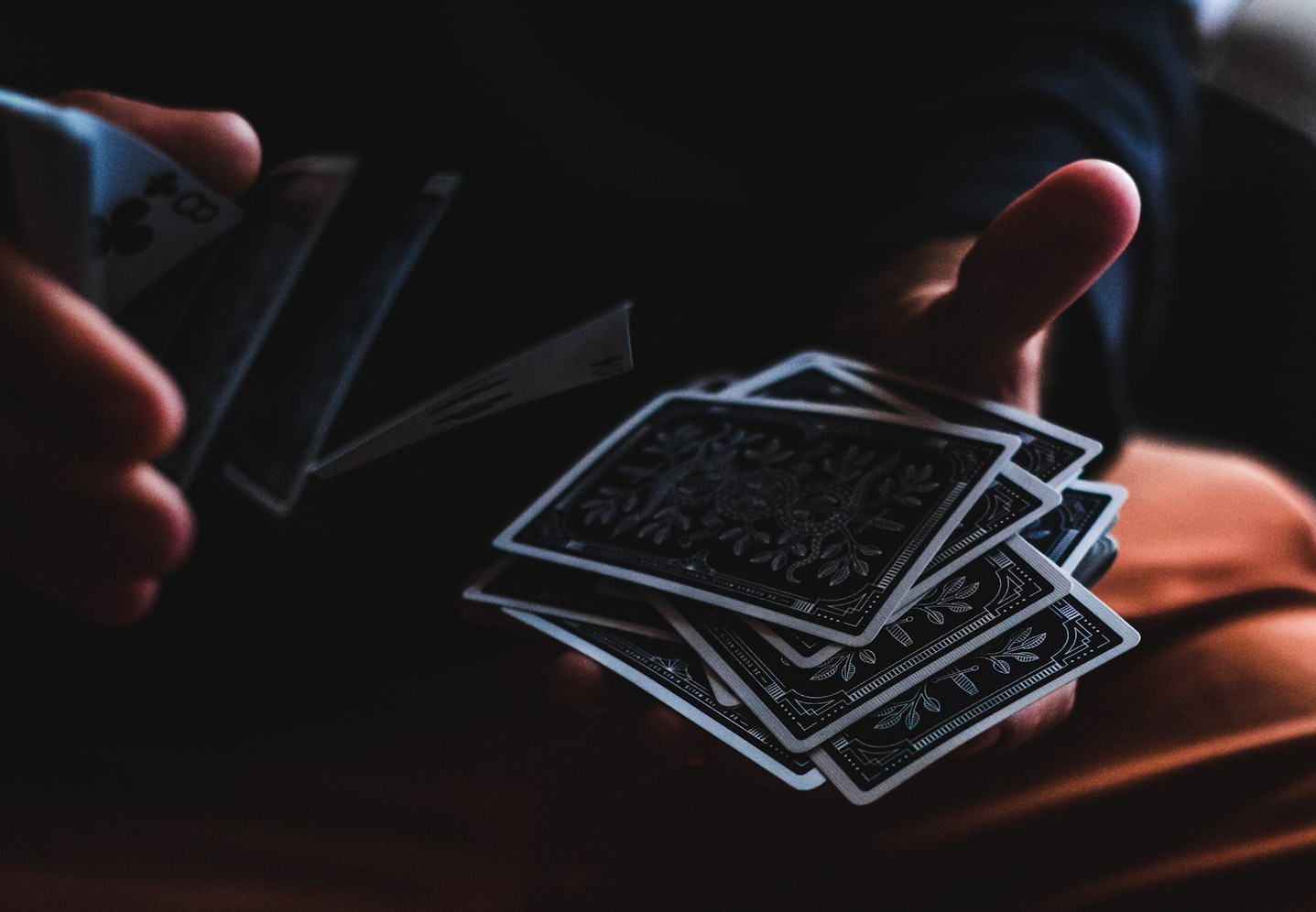
In many regions, gambling is intertwined with historical narratives that shape its significance. For instance, in ancient China, gambling was seen as a way to engage with the divine, where games of chance were not merely for entertainment but also held spiritual meaning. Understanding these historical contexts can provide deeper insights into why certain gambling customs persist and evolve over time.
Moreover, the advent of technology has dramatically transformed gambling traditions, introducing online platforms and mobile applications that transcend geographic boundaries. While this has made gambling more accessible, it also raises questions about how traditional practices adapt to modern influences. By exploring diverse gambling traditions, we can appreciate the intricate balance between heritage and innovation in this fascinating field.
Gambling in Asian Cultures
Asian cultures present a rich tapestry of gambling traditions, with China often recognized as the cradle of many games. The game of Mahjong, deeply embedded in Chinese society, is not only a game of chance but also a social activity that fosters relationships among players. In this context, gambling becomes a communal experience, often played during family gatherings or festivals, enhancing its cultural importance.
In addition to Mahjong, other forms of gambling, such as betting on sports and traditional card games, hold significant cultural weight in various Asian nations. In Japan, for instance, Pachinko parlors blend elements of arcade gaming and gambling, creating a unique atmosphere that attracts a diverse audience. This amalgamation of gaming and chance encapsulates the innovative spirit of Japanese culture while simultaneously preserving traditional gambling practices.
Furthermore, the influence of gambling extends to the spiritual realm in many Asian cultures. In countries like India, rituals often accompany gambling events, with prayers or offerings made to deities for luck. This intertwining of chance and spirituality highlights how gambling serves as a medium for cultural expression, showcasing the values and beliefs of different societies.
European Gambling Traditions
Europe’s gambling traditions are as varied as its many nations, with each country presenting its own unique customs and games. For instance, the UK is known for its betting culture, particularly in sports. The tradition of placing bets on horse racing is deeply rooted in British society, with events like the Grand National drawing massive audiences and fostering a sense of community among bettors.
In contrast, France offers a different perspective with its focus on games like baccarat and roulette, which have become synonymous with the grandeur of its casinos. The Palais de la Méditerranée in Nice stands as a testament to the elegance associated with French gambling, attracting those seeking both excitement and a taste of opulence. This blend of sophistication and chance highlights the cultural importance of gambling in French society.
Moreover, the rise of online gambling has transformed how Europeans engage with these traditional practices. Many brick-and-mortar establishments have adapted to digital platforms, offering live dealer games that replicate the casino experience from the comfort of home. This shift illustrates the dynamic nature of gambling traditions in Europe, showcasing their ability to evolve while retaining their cultural essence.
Gambling in Indigenous Cultures
Indigenous cultures around the world often have unique gambling traditions deeply rooted in their history and spirituality. For many Native American tribes, traditional games were played not only for entertainment but also as a means of storytelling and cultural preservation. Games like stickball or dice games served various functions, from social bonding to decision-making within the community, reflecting a holistic approach to gambling.
In addition, many indigenous cultures view gambling as a spiritual practice. For example, the Navajo people incorporate games into healing ceremonies, using the element of chance to facilitate connections with the spiritual world. This profound connection between gambling and spirituality emphasizes the significance of these practices in maintaining cultural identity and heritage.
Today, the rise of casinos on tribal lands has brought both challenges and opportunities for indigenous communities. While these establishments provide economic benefits, they also raise questions about preserving traditional gambling practices in the face of commercialization. The balancing act between modern development and cultural preservation is crucial for the future of indigenous gambling traditions.
The Role of Gambling in Modern Society
As gambling continues to evolve, its role in modern society becomes increasingly complex. The proliferation of online gambling has opened up new avenues for engagement, allowing individuals to participate in various forms of gaming without geographical constraints. This accessibility has democratized gambling but also introduced challenges such as addiction and regulatory concerns that society must address.
Moreover, gambling has become a focal point in discussions around social responsibility. Governments and organizations are implementing measures to promote responsible gambling practices, providing resources and support for individuals facing gambling-related issues. This shift toward a more conscientious approach reflects a growing understanding of the social implications of gambling and its impact on individuals and communities.
In light of these developments, it is essential to appreciate how cultural traditions inform contemporary gambling practices. By examining the roots of these traditions, we can better understand their significance in today’s society and navigate the challenges and opportunities that arise in the gambling landscape.
Conclusion and Future of Gambling Traditions
The exploration of gambling traditions across diverse cultures highlights the rich and intricate relationship between chance, culture, and society. As we look to the future, it is evident that these traditions will continue to evolve, influenced by technological advancements, social changes, and global interconnectedness. The dialogue between heritage and innovation will shape the landscape of gambling for years to come.
In conclusion, understanding the various gambling traditions not only enriches our knowledge of cultural practices but also informs our approach to modern gambling issues. As we navigate the future of gambling, embracing both tradition and innovation will be vital to creating a responsible and inclusive gambling environment that honors the cultural significance of these practices.
